Free health resources
Recipes, evidence based tips, and honest takes on what actually helps.
Meal Prepping Tips for the Busy Back to School Parent
Get ready for back to school with less stress and more time on your hands.
What Are Meal Boosters and Who Can Benefit from Them?
How meal boosters help kids, aging adults, and picky eaters get more protein without changing the foods they love.
Why Comprehensive Blood Work Matters More Than Ever
Being told your labs are normal while still feeling unwell is common. Here is what a fuller panel can show.
Tired All the Time? Read This
Sleep your way to better health.
Nourishing Brain Health
Nutrition and lifestyle strategies that help protect memory and slow cognitive decline.
What Is a Holistic Nutritionist
And why they are a powerful asset to your health, especially when labs look normal but symptoms linger.
Dr. Donna Bartlett, The AntiPharmacist
Meet a board certified geriatric pharmacist championing safer, smarter aging.
Please Welcome Phil George to the ABPW Team
Introducing our coach.
Changing the Narrative on Care for Endometriosis
What women are usually told when symptoms appear, and what else is worth considering.
Human Design and How It Can Be Your New Superpower
With Adriana Keefe, Human Design Coach.
6 Foods that Strengthen Immune Function
Immune support is not just for cold and flu season.
Your Brain on Sugar
Sugar is a controversial food, and here is why.
Creating Healthy Habits That Stick
How to change something and actually keep it going past January.
Eat Intact, Truly Healthy Snacks
Why Kellie loves these snack bars and how Dr. Amir's work can help your family.
Whole Women Health Podcast with Bethany Gadbois
A conversation about women's health, nutrition, and living well.
Clarity Chiropractic, Beyond the Back Pain
How chiropractic care can support your overall health, not just your back.
Herbal Basics with Cheryl Davis, Certified Herbalist
An introduction to herbs from a certified herbalist and nutrition counselor.
A Holistic Approach to Pain at CLASH PT
Pain is complicated, which is why it needs to be treated differently.
Maggie Broring, Mindset and Life Coach
How a mindset and life change coach could benefit you or someone you love.
The Benefits of Yoga and Ayurveda
How these practices support a healthy and mindful lifestyle, from an Ayurvedic practitioner.
Plant Forward, Plant Based, and Vegan Diets
What is the difference, and which one actually fits your life?
Food as Medicine
Preventing and treating the most dreaded diseases with diet.
25 Things You Should Know About Plant-Based Nutrition
A plain language primer on plant based eating.
Book a free consult
Reading is a great start. Now, let's build a plan that gets you the health you deserve.
Book Your Free ConsultWant help putting this into practice?
Book Your Free Consult25 Things You Should Know About Plant Based Nutrition- AFPA

I always say my clients do better when they know the rational behind suggestions I make. Giving them the info to make positive changes backed by science is a key piece to real sustained behavior change!
Check out this article by my certification program to help you better understand plant based nutrition and how it can help you.
6 Foods that Strengthen Immune Function
Immune-strengthening foods aren’t just for the cold and flu seasons anymore. All year round, our bodies are exposed to bacteria and viruses that can kick us off our feet.
While your diet alone isn't enough to stay free of colds, flus, and infections, researchers continue to find positive links between our immune function and a nutrient-dense diet. After all, adequate and appropriate nutrition is required for all cells in the human body to function optimally, including the cells in the immune system.
#1 Yogurt
The probiotics found in yogurt, namely lactobacillus, have been shown to support the immune system function by providing protection against pathogenic microorganisms in the gut. The probiotics responsible for fermentation in yogurt are the same “good” bacteria typically found in the intestinal tract.
Choose versions without sugar added, and for a boost of antioxidant and anti-inflammatory components, add some berries.
If you are lactose-intolerant, consider lactose-free options.
#2 Green Tea
Green tea is widely known for its rich complex mixtures of polyphenols and potent plant antioxidants that are proven to boost immunity. Green tea has the potential to modulate the innate immune system, adaptive immune system, and enteric (intestinal) immune system.
Some immune-fighting components in green tea are flavanols, gallic acid, flavanol glycosides, polysaccharides, theanine, and caffeine. The most abundant chemical in green tea and the main component linked to its beneficial effects is epigallocatechin-3-gallate (EGCG), which has been found to have antiproliferative, antimutagenic, antioxidant, antibacterial, antiviral, and chemopreventive effects.
Drink green tea daily to take advantage of its immune-boosting effects. Just avoid with meals as not to interfere with absorption.
#3 Chia Seeds
These tiny seeds are packed with minerals and anti-inflammatory omega-3 fatty acids. Additionally, omega-3 fatty acids can alter immune cells by regulating immune cellular membrane properties so they more readily eliminate pathogenic cells through phagocytosis. It also increases the production of adaptive immune cells.
Chia seeds may be small, but they have some of the highest concentrations of omega-3 fatty acids out of any seeds.
You can add chia seeds to your smoothie, top your salad with them, or even add them to lemonade or another drink of choice to activate their jellification properties.
#4 Mushrooms
Mushrooms are loaded with antioxidants, B vitamins, and beta-glucans that all help to fight off infection through their anti-inflammatory, antiviral, antibacterial, and anti-tumor effects. They also strengthen the function of lymphocytes, a type of white blood cell.
For the best results, add to any of your favorite evening dishes for extra flavor and the disease-fighting power the body needs during the winter season.
#5 Purple Sweet Potatoes
Purple sweet potatoes have polysaccharides that not only give them their sweet taste but also enhance immune system function. One group of researchers extracted three different kinds of polysaccharides from purple sweet potatoes and found that they all enhanced the function of macrophages, a type of white blood cell that stimulates the effect of other blood cells. They also had the ability to stimulate the production of antibodies when needed.
If you grow purple sweet potatoes in your backyard, consider eating the leaves, too! They have components that enhance antibody production and the function of several immune cells. You can also add the leaves to smoothies!
#6 Leafy Greens
Leafy greens of the brassica species are some of the most nutrient-dense foods that are part of our diet. Not only do they contain varying amounts of calcium, potassium, copper, manganese, and vitamins A, K, B6, and C, but they are also rich in prebiotic soluble fiber, which provides “food” to your gut microbiota – a vital component of the immune system. Additionally, the brassica variety of vegetables contain sulforaphane and pectin, which have immunomodulatory effects.
Not a big fan of kale? No problem! Other brassica vegetables include broccoli, Brussels sprouts, cabbage, cauliflower, collard greens, and turnips, and these are all packed with immune-strengthening vitamins, minerals, macronutrients, and phytochemicals.
Which immune fighting foods are your favorite?
Resources: AFPA
A Holistic Approach to Pain at CLASH PT

Pain is weird and complicated.
And that is why it needs to be treated differently.
At Clash PTHS- we do just that.
Did you know your brain itself can not actually not feel pain?
So, if you think the pain is all in your head, well it is, but it also really isn’t. We will explain why if you continue to read.
Pain is processed through sensory neurons called nociceptors, which are free nerve endings. These nerve endings send signals to the brain, also known as nociception, and the brain processes the information then basically decides what to do with it. There are various sensory receptors found throughout the body that react to a variety of stimuli, such as hot, cold, pressure and chemical, all of which can give a person the subjective experience of pain.
Did you know pain isn’t always produced as a response to tissue damage?
Yes, you read that correctly. You can in fact have pain WITHOUT having tissue damage.
Pain needs to be treated with three factors to consider, not just one.
- Biological factors
- Psychological Factors
- Social Factors
Your body takes in information from the environment considering these three factors. When your body recognizes something as a threat, whether it is an internal or external threat, it can reproduce a pain signal. If you have multiple threats this is where it can get tricky. The brain then has to decide which one(s) are the most detrimental to you. This is why pain isn’t always a response to tissue damage. That is the old biomedical model of pain ie. pain=injury.
Think about it, how many times have you looked down at your leg or even your arm and asked yourself “Where did that bruise come from? How long have I had that?” At the time you may have bumped your leg or arm there was something more important occurring and your brain suppressed that signal in order to prioritize your attention on what it deemed more important. This means that sometimes tissue damage or injury doesn’t always=pain and doesn’t necessarily have to impair your function also!
Here’s a couple scenarios that might help you have a better understanding of what we are trying to explain...
First
This example below is what Adriaan Luow from International Spine and Sport Institute said to us when we first started studying pain neuroscience education in order to provide better care to our patients...
Let’s say you are crossing the street and you happen to fall and sprain your ankle. After the fall you may look down and notice your ankle swollen and therefore register the pain.
Let’s change the scenario by adding another piece. Now, let’s say you are crossing the street and you happen to fall and sprain your ankle. At the same time you have fallen, you notice there is a bus coming at you. Do you think your brain is going to process your ankle or the bus coming at you first? I hope you answered “the bus.”
This scenario illustrates how your brain can prioritize the information from your body. The bus coming at you takes priority over a potential ankle sprain. The reason for this response is because your brain does not want you to die or get hurt. Therefore, it can suppress those responses coming from the pain sensing neurons up the spinal cord. However, it doesn’t mean that later, after you escape the bus coming at you, you won’t feel your ankle.
Second
In 1995, the British Medical Journal reported the case of a builder in excruciating pain from a 15cm nail, which pierced his work boot. When the builder saw what had happened, a nail sticking straight up through his work boot, he instantly had a pain response. However, when the doctors removed the shoe from the builder’s foot, they found the nail had passed between his toes and missed his foot completely! His brain interpreted the information as a serious threat and therefore set off his pain alarms, but there was no actual tissue damage!
So back to our first statement: Pain is weird and complicated.
Please reach out to us for more information on what pain is and why you may be dealing with it! We are here for you!
Best, Ashlyn & Sarah Clash Physical Therapy & Health Services Inc 3 Brussels St. Suite 214 Worcester, Ma. 01610 Call or Text us at: 774-314-2487 Visit us at: Clashpths.com
Changing the Narrative on Care for Endometriosis

Changing the Narrative on Care for Endometriosis
When women are told that they are exhibiting symptoms of endometriosis, typically one of a few things happens. They are suggested to undergo laparoscopic surgery, take birth control pills, other hormone therapies, or pain medication, are recommended anti-depressive medications, or are told to just try to get pregnant. How do I know that this happens? Because I have been clinically diagnosed with endometriosis myself, and I have seen these options provided to women in the endometriosis community. Although these hormonal therapies, pain medications, and surgery are legitimate, effective allopathic (traditional medicine) options, they can have side effects and risks that may make people uncomfortable, and there is more to care than just these options. Hence, this is where an integrative perspective is ideal.
Approximately 1 in 10 women are suffering from the debilitating symptoms of endometriosis. Although it is rooted as a gynecological condition, endometriosis is more and more being thought of as a whole-body disease because of its widespread impacts on the body. Symptoms can include debilitating pain with menstruation, “killer cramps,” heavy bleeding, chronic pelvic pain, nausea, bowel symptoms, fatigue, infertility, as well as anxiety and depression. Having the perspective that endometriosis impacts the entire well-being, both physically and mentally, is crucial to finding proper care. Additionally, endometriosis does not look the same in every woman, especially since the extent of the disease does not correlate with the severity of symptoms. Thus, an individualized, integrative approach is crucial.
I went to graduate school to become a Holistic Health Practitioner after I sought out holistic health services for my own endometriosis symptoms. At the age of 20, I felt that I was running out of allopathic options and needed to discover a new route to alleviating my own symptoms. I was frustrated with the amount of side effects that traditional medications were causing, and I worried about enduring additional unwanted side effects and risks if I chose other treatments. Therefore, I began my journey to holistic medicine. After seeing that there was a world of opportunities to alleviate my symptoms that I did not even know existed, I felt inspired to change the trajectory of my career path to become a Holistic Practitioner and specialize in endometriosis, as well as other women’s health issues. I decided to pursue an internship with the Holistic Practitioner I was working with during my senior year of undergrad. I graduated from Worcester State University with a Bachelor of Science in Public Health and a minor in Psychology, and then I went on to obtain my Master of Science in Health and Wellness from the American College of Healthcare Sciences.
I am now the owner of Sunrise Wellness & Holistic Health. My company offers an integrative approach, blending holistic medicine and protocols with an individual’s allopathic regimen to obtain optimal results. With a holistic approach, the entire well-being is evaluated. This approach examines the physical symptoms as well as the mental well-being in order to gain a full picture of an individual’s health and wellness to provide optimal results. Anyone with any condition or health goals is welcome to Sunrise Wellness & Holistic Health. However, women’s health, especially endometriosis, is a top priority because of the number of women suffering in silence. My goal is to change the narrative of care for endometriosis, enabling women to find a new, personalized approach.
As a Holistic Health Practitioner, I offer the following services: general health and wellness consultations, women’s health consultations, homeopathy, nutritional and herbal dietary supplements, lifestyle changes, and holistic nutrition. However, a Holistic Health Practitioner does not serve as a physician, prescribe, or recommend medications, diagnose, treat, or cure any medical or psychological conditions, or serve as a registered dietitian or nutritionist, and does not replace these services. I hold an MS in Health and Wellness, certificates in Integrative Approaches to Pelvic Pain in Women and Integrative Approaches to Mental Health: Anxiety and Depression, and I have a Micro-Credential as an Integrative Homeopathy Specialist.
A new you is dawning today!
Isabelle GianDomenico, BS, MS
Sunrise Wellness & Holistic Health
Worcester, MA
www.sunrisewellnessholistic.com
Email: [email protected]
Call or Text: 508-340-4254

Clarity Chiropractic- Beyond the Back Pain
Beyond the Back Pain – How Chiropractic Care Can Improve Your Overall Health
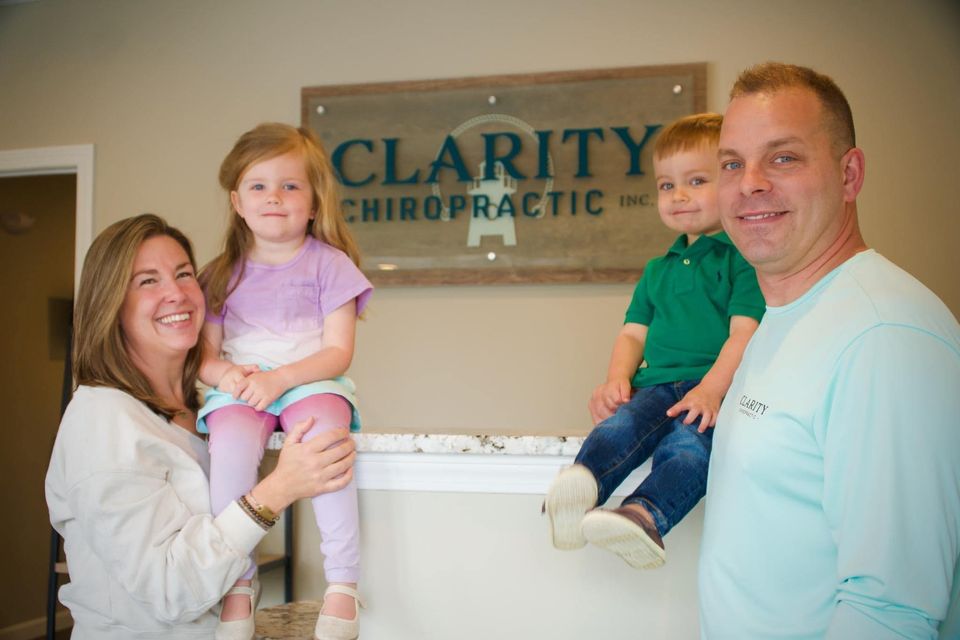
If you are anything like me, when you hear the word “chiropractic,” you most likely think of back pain. However, after meeting my chiropractor husband, I quickly learned that adding weekly chiropractic visits to my wellness regimen would help improve my overall health. My name is Tina and I am the office manager of Clarity Chiropractic Inc. which was founded by my husband Dr. Casey Gauthier in 2017. I thought the best way to explain holistic Chiropractic care was to share my own story.
A few years before I had met my husband in 2015, I had what I thought was sciatic pain so I started to see a local Chiropractor a few times a month but did not get the results I was hoping for. Flash forward to the first months of dating, Dr. Casey completely changed my outlook on chiropractic completely. I had no idea that getting “adjusted” could help with so much more than just back pain. I had no idea that I needed significantly more frequent care. I quickly became a corrective care patient at the office he was working with at that time. Like most of us, I had a desk job for years and was diagnosed with forward head posture. I no longer have that job but I still suffer from neck and shoulder pain occasionally but staying consistent with adjustments helps so much. The one thing I did not expect was how my immune system would respond! I don’t think I got sick till at all the entire first year I was under regular care. The spine controls the nervous system which controls the immune system – go figure! I won’t get into the details because I am not a doctor, but my husband would love to have a conversation with anyone about this!
Flash forward a few years later and both of our children have been checked for spinal misalignment and nervous system dysfunction since BIRTH! Another thing I had no idea about was that Chiropractic adjustments can help with nursing. Sometimes that baby won’t latch because of the way they came out of the birth canal. I mean, just think about it! It is quite the smooshed ride! I have seen my husband also adjust many other babies and it is FACINATING. The baby instantly latches and there are some seriously happy mamas out there.
Ok, back to our children and the immune system…considering the fact that, preschool aged kids bring home lots of sickness, I have to say that our sicknesses are never debilitating. Our kids always seem to recover within a few days and I truly believe that chiropractic care has been the reason. We are clearly a family that believes in alternative medicine, and it is my honor to be able to share my story with you so that maybe you in turn might learn something new and different to try to keep yourself and your
families healthy.
Find Clarity at:
Clarity Chiropractic Inc.
3 Greenlawn Ave. South Grafton, MA
Creating Healthy Habits That Stick
It's that time of year where everyone is starting to think about what they want to change, improve, add or omit something in the upcoming new year. Making a new healthy habit stick can be challenging, but it's not impossible. Here are some tips to help you succeed:
- Start small: Don't try to overhaul your entire lifestyle all at once. Choose one small, achievable goal and work on it until it becomes a habit. For example, if you want to start exercising more, aim to do a 10-minute walk every day for a week, then gradually increase the duration as you get more comfortable. Action steps make it easier to get to your goal or habit. It takes the fear response right out of your amygdala.
- Make it easy: Set yourself up for success by making it easy to follow through on your new habit. If you're trying to eat healthier, keep healthy snacks on hand and get rid of all the junk in the house, or if you're trying to exercise more, keep your workout clothes and equipment visible and accessible. Set reminders on your smartphone and utilize alarms.
- Track your progress: Keep a record of your progress to help you stay motivated and see how far you've come. This could be as simple as keeping a journal or using a tracking app. I personally like a journal with prompts for goal setting and reflection.
- Celebrate your victories: Don't forget to celebrate your successes along the way. No matter how small you accomplished something and that deserves to be acknowledged and celebrated.
- Find accountability: It can be helpful to have someone to motivate and support you, whether it's a friend, family member, or a coach. Consider joining a group or finding an accountability partner to help you stay on track. Have you heard about our Jump Start to Wellness Group launching in February 2023? This is a perfect way to get affordable accountability for your new wellness goals. Subscribe to our mailing list to get the flyer going out this week or check out our social media post about it.
Remember, making a new healthy habit stick takes time and effort, but it's worth it in the long run. Stay patient and consistent, and you'll be on your way to a healthier, happier lifestyle. I am rooting for you!
Kellie
Owner of A Better Path To Wellness LLC
Dr. Donna Bartlett- The AntiPharmacist
Meet Dr. Donna Bartlett – Champion for Safer, Smarter Aging
Dr. Donna Bartlett is a Board-Certified Geriatric Pharmacist licensed in Massachusetts with over 25 years of pharmacy practice experience in retail, outreach, hospital, and academia. She earned both her BS in Pharmacy and Doctor of Pharmacy degrees from the Massachusetts College of Pharmacy and Health Sciences University–Boston.
Currently, she serves as a Professor of Pharmacy Practice and oversees an internal medicine clinical site. Her expertise includes polypharmacy, deprescribing, geriatrics, and falls prevention. Dr. Bartlett also co-hosts The Med List Podcast and speaks locally, nationally, and internationally — including presenting at the first and second International Deprescribing Conferences in Denmark (2022) and France (2024).
She is the author of MedStrong: Shed Your Meds for a Better, Healthier You and the MedStrong Workbook.
📖 About the Book:
MedStrong: Shed Your Meds for a Better Healthier You — Aging Well through Deprescribing tells of the need to keep medications in check throughout the aging process. Why is this necessary? Overmedication increases side effects that can impact one’s well-being and quality of life, and can cause unintended consequences such as falls, hospitalizations, and traffic accidents. Many individuals remain on medications far longer than necessary, and have medications added when deprescribing a medication may be a better treatment option. Our bodies change through the years from adult to older adult, our ability to metabolize and eliminate medications also changes causing potential adverse events. Through patient scenarios, templates, and medical literature MedStrong educates patients, caregivers, and those interested in working with older adults, on polypharmacy, deprescribing, and how to overcome the barriers that stop sound deprescribing in its tracks, before the fall, accident, injury, or toxicity occurs.
There are over 70 million baby boomers in the United States. By 2030 all baby boomers will be 65 years or older. Over one-third of older adults take five or more medications with one or more medications being considered unnecessary or inappropriate. With these statistics it is not surprising that approximately 2 million adverse drug events require hospitalizations each year.
Board-certified geriatric pharmacist, Dr. Donna Bartlett, with her keen approach to medication therapy management and deprescribing, lends her experience of over 25 years of pharmacy practice, including retail, outreach, hospital, and academia. Let her take you through the process of deprescribing to optimize your medications.
Target Audience:
Adult health care consumers, older adults, caregivers, and those that work with older adults. Health care providers of all disciplines may also find this book helpful in learning and speaking with patients about deprescribing.
Reach out to Donna to schedule a consult to review your meds today and tell her A Better Path to Wellness sent you or get her book here!
Eat Intact- Truly Healthy Snacks

I am Dr. Amir Saberi founder of EAT INTACT. My goal is to provide you with a lot of information regarding different aspects of healthy food products. Personally, I have been always obsessively looking for healthy food products too. When I say healthy foods, I mean truly healthy ones. There are a lot of food products in the market that are claimed as healthy, but unfortunately, they are not. To better distinguish between truly healthy foods and healthy ones, I am going to call the former differently as INTACT FOOD products. Why INTACT FOOD?
Because one of the main requirements of truly healthy products is to contain only whole ingredients that are somehow Intact.
You might ask who I am and why you could trust me and my recommendations. That is a valid question. I have a Ph.D. in food science and technology. I have over 15 years of academic and industrial experience developing innovative food technologies and products, and I'd love to share my experience with you.
Now, the question is how I can help you better identify these healthy products.
To answer this question, let me share with you my frustration with finding intact food products. One day I decided to go to one of the Whole Foods near my house and look for healthy snack bars. I went through around 20-30 brands to choose a few healthy ones for myself. Guess what? I could find only a few of them that where truly healthy. Then I thought if it is frustrating for me to find Intact food products, how more difficult it could be for you to find them?
So, I have launched the Eat Intact Instagram page through which you will get information about different aspects of truly healthy food products/Intact Food products.
Most food products in the market are not TRULY healthy. Food labeling is also very deceiving in that it prevents consumers from identifying truly healthy food products.
But, no worries!!!
We are here to help!
We have over 15 years of academic and industrial experience in food science and technology and excellent knowledge of food labeling, food ingredients, and their underlying processes.
There might be two groups of people who are dealing with this problem:
Group 1: Those who love to spend time going through the nutrition facts and ingredient list but more information would help them better identify truly healthy food products.
Solution for group 1: We have launched www.eatintact.comthrough which the consumers can get free consultations as well as free content regarding various aspects of healthy food products.
Group 2: Those who do not have time to consider labeling information but would like to have access to an online store offering these healthy food products for their convenience for purchase.
Solution for group 2: www.eatintact.com is also an online store through which the consumers can get access to a wide range of healthy food products collected via a simple and transparent filtering process. We have a section for everyone: vegan, nut free, soy free, gluten free, kid friendly and more!
Please feel free to use combination of both. Don't hesitate to reach out to us to see how we can help you and your family eat more intact.
Regards,
Amir.
Amir Saberi, Ph.D.Founder
Eat Intact Email: [email protected]
Cell: (413) 695-2174
Website:
https://eatintact.com/?AffId=1
Food as Medicine: Preventing & Treating the Most Dreaded Diseases with Diet-Michael Greger M.D. FACL
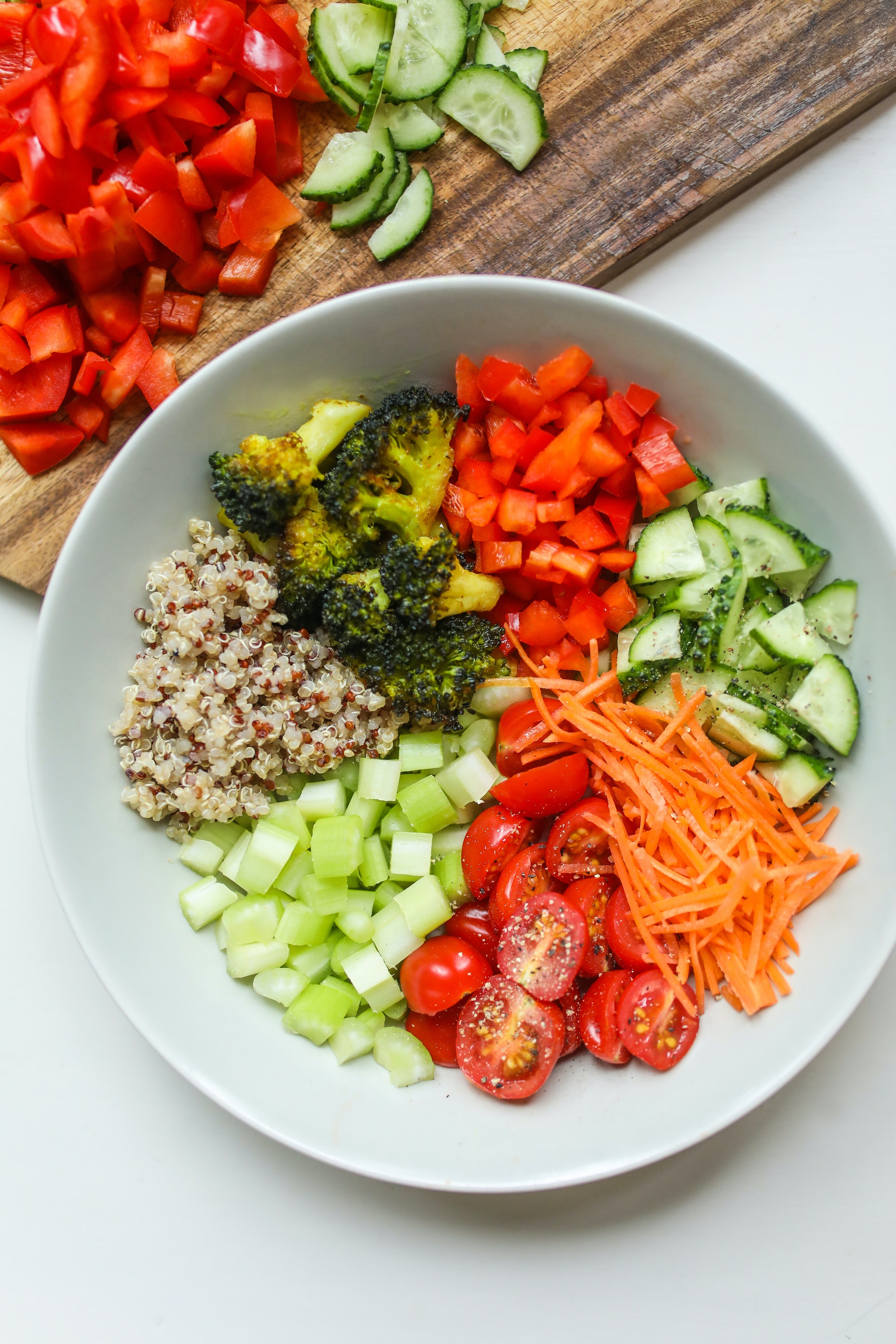
Food is medicine. We have seen that first hand. What fuel you choose to put in your body can either restore function of your body or inhibit it from functioning optimally. That is why it is crucial to put down the processed chemical ridden crap the manufactures and government call food, and start eating foods that can reverse disease. If you or someone you love suffers from one or more chronic diseases, I urge you to watch or listen to this video by one of my favorite doctors of all time in the functional medicine world, Dr. Michael Greger.
Herbal Basics with Cheryl Davis, Certified Herbalist:
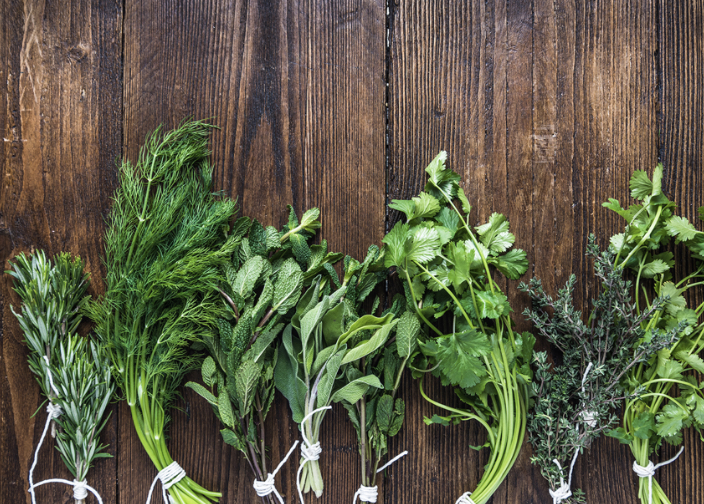
Herbal Basics
Cheryl Davis: Certified Herbalist, Certified Nutrition Councilor, Certified Natural Health Professional, Certified Applied Kinesiologist
Herbs are natural and therapeutic remedies for human ailments and for supporting continued vibrant health. Since the beginning of ancient history plants have been used as a primary source of medicine throughout the world.
The science of using plants for healing is known as herbology. When using herbs, the focus on the nutrition of the herb and how to utilize its active components to facilitate the bodies self-healing processes is one of their most powerful benefits.
One of the most quoted natural healing maxims is by Hippocrates, the father of modern medicine – “Let your food be your medicine and let your medicine be your food.”
Herbs have been used for healing for thousands of years because they are capable of becoming a part of the living organism working completely and synergistically as a whole food/plant substance opposed to an isolated, synthetic or non-organic chemical structure.
We know that the herb assimilates inorganic mineral matter through its growth in soil and coverts this inert and lifeless matter into living organic material. When eaten by animals and humans it is then absorbed and sustains the renewal of life processes. As an example of this transformation process, we can look to the element sulfur. Organic sulfur is found in onions, watercress, marigold flowers, garlic, broccoli and arugula to name a few, and are all used in cooking. They are a source of organic sulfur which produces certain key compounds including two natural amino acids, methionine and cysteine which in turn form part of the composition of keratin and collagen.
In contrast, inorganic sulfur is generally administered in a form of a powder called flowers of sulfur; in this form it will circulate through the system and then will be thrown out through the pores of the skin unchanged, showing that is has not been assimilated by the cells. The effect of this inorganic mineral sulfur, however, causes an affinity for iron and also the destruction of ferments, a natural part of metabolism and digestion, and enzymes as it generates sulfurous and sulfuric acids in the organism. It steels iron from food and blood, forming iron sulfide, which causes constipation and dries up secretions in the digestive tract.
Conversely, eating garlic or taking a garlic supplement containing organic sulfur has been shown to enhance and balance bowel flora, have cardio protective effects, provide joint support, prevent cancer activity, lower lipids and improve hypertension as well. Thus, we can see the contrast, benefits and detriments to using herbs in their naturally available forms versus isolated chemically produced counterparts.
The three systems of herbology that many of us are familiar with are Traditional Chinese Medicine or TCM, Western herbal medicine which often originated in folk medicine, and Ayurvedic medicine.
There are many overlaps in each system with the name of the herb being different due to the language as well as the specific localities or regions the herb has originated from.
Understanding which herb to use and when to use it can be fine-tuned by understanding the terms and concepts of herbal actions. For example, many of us are familiar with the terms Antidepressant, Anti-oxidant, Antihistamine, Antiseptic or Expectorant. Knowing these terms and the herbal actions will determine which choice is made to address a particular issue or to strengthen the body organ or system.
Many of us have been affected by respiratory distress or have known others in the past year who may have been affected. Using an herb or combination of herbs with expectorant qualities would help support the respiratory system by assisting it to remove excess mucus naturally.
Marshmallow is a mucilaginous or also called demulcent herb. These herbs including Marshmallow sooth and soften tissue. They contain indigestible complex polysaccharides that hold water and absorb irritants. Mucilaginous herbs taken internally absorb irritants in the digestive tract, help reduce cholesterol, act as a bulk laxative and moisten dry tissue. These herbs applied topically act as a drawing poultice to absorb irritants, reduce inflammation and swelling and keep tissues moist and pliable. They are indicated in hard, dry, irritated tissue states, including inflammation of the digestive tract, dry, irritating coughs, burning or painful urination, redness and topical swelling.
A great resource for determining herbal properties and uses of herbs is “the bible” of the herbal world called the Materia Medica. Many have been published over the years and updated with more current language than our herbal forefathers.

In addition to the Materia Medica, Applied Kinesiology, often called muscle testing, is another tool to help determine which herb may be indicated or supportive to weakness in the body. Applied Kinesiology developed by Dr. George Goodheart is a technique of using specific muscles, neurological reflexes and acupuncture points located on the surface of the body which relate to the state of health and to the flow of energy in each and every organ and function of the body. The goal being to find the appropriate herb, food supplement or other correction technique that would bring the reflex or acupuncture point back to strength.
Herbs are generally considered to be a safe and effective way to obtain vitamins, minerals and various nutrients. They facilitate therapeutic change without many of the unwanted side effects of prescribed or over the counter drugs. Caution should be taken for those on medication or pregnant and should consult your pharmacist or medical professional.
Cheryl can be contacted by email at [email protected]
Human Design & how it can be your new superpower with Adriana Keefe, Human Design Coach

A few short years ago, I learned I wasn’t broken.
I was working with a life coach to help me move through the stuck I was in. I’ve gone through a lot of my life feeling different than what my family or society told me I was supposed to be like. I often felt like a quitter; I couldn’t keep any one interest for a long period of time. Even went through a lot of boyfriends because I’d get bored of the situation and want something new and exciting (I know - my husband loves it when I remind him of that).
Let me give you a little background.
I went to school for veterinary because I freaking love animals, but the student loan debt was crippling, so I moved on to working on the lab side of things. I found that boring as all hell, not to mention I was still struggling to get by financially. So I took on the big, bad world of real estate. It was great for a while. I was winning awards in my first year alone and was able to support my daughter after becoming a single mom.
I never LOVED it…it simply felt like a decent way to make a good living. But you know what wasn’t good about it? The crippling anxiety it caused me. The late nights talking to clients, inability to sleep after every little thing that went wrong (and trust me, a lot can go wrong in real estate), the constant need of getting out there and pounding the pavement to make a living.
I burnt out. Literally crashed and burned. After marrying my now husband and being pregnant with my second child, I became depressed. My anxiety was through the roof, I was eating my feelings away, and feeling like a total failure because I had no f*cking clue what I wanted to do with my life (spoiler - MOST people don’t know what they’re doing with their lives at the age of 27). I didn’t feel connected to my work or to being a mother and had lost all sense of direction in my life.
Until I started working with life coaches. It took 3 tries to find the one who really made an impact, and she was the one who introduced me to this thing called Human Design. She inserted my birth data into a website, and BOOM - literally every negative thought I’d been having was validated as who I was…and in a positive way.
It said I was a Manifesting Generator - someone who is multi-passionate, multi-hyphenate, and needs a lot of new challenges to grow and expand. #I’mNotBroken!
This system is similar to astrology, but also has components of the Chakra system, I-Ching, Kabbalah, quantum mechanics, and genetics. Human Design teaches you how to access your body’s consciousness as a decision-making tool, and ultimately, how to live in alignment by your unique energy.
A few years and a lot of studying later, I’m living my life the way I was designed to live, and teaching others how to do the same. I show people what their charts say is their energetic design or way of being, and how their environment may have conditioned them to act otherwise. It brings such a feeling of validation, resonance, and approval in the self that nothing else I’ve ever found has.
And it goes even deeper than that! Within your Human Design is what’s called your Primary Health System. You see, living by design is more than just your personality - it’s how you’re designed on the inside as well. Your Primary Health System (PHS) provides you with the map of the correct way to take sustenance into your body. I’m sure you took a health class at some point in school that taught you about digestion, but if not, it’s important for your body to actually absorb and convert nutrients from the food you eat for your body parts to use.
AND! The bonus side of digesting properly for your energy, is when you’re digesting food in the way you’re designed to, the rest of your senses are clearer, and you have more connection to your body consciousness to help guide you through life.
The different themes of digestion within the Primary Health System are called your Color: You will have either Appetite, Taste, Thirst, Touch, Sound, or Light, with a unique “Determination”, meaning your way of taking in the food and experience optimally for your body. I’ve included a chart here for you to take a look at. (Note that the chart also includes info on your Cognition, which we’ll save for another article ;) )
Let’s take a look at my body graph chart to give you an idea of how the PHS works. (Yes, I’m showing you my insides)
There are four arrows at the top of my chart. The top left arrow is the Primary Health System. The larger number next to the arrow is my Color, or my theme of digestion. I have a 4, so my digestion theme is Touch, and my arrow points left, so my Touch Determination is Calm. (If you download your body graph chart on my website, you don’t need to read the arrows - it’s written in word at the bottom of the description).
Calm digestion means I take in nutrition best when the atmosphere is calm and without much stimulation (which is real fun when you have 3 young kids at the dinner table). This resonated with me immediately - I feel so stressed out when there’s chaos around the dinner table. I just want to eat in a chill, talking about our day kind of environment. My body has been telling me to eat in a calm environment all along!
Now if you’re a mom and you just downloaded your body graph chart to also see that your digestion is “Calm”, you’re probably screaming in your head, “BUT HOW!?”, and I get that! It’s a learning process, but what works well for me is eating while I’m cooking or eating while the kids’ meals are cooling, so when the time comes to sit down with the rest of the fam, I can simply be in the moment with them. During the day, I like to bring my lunch to my office to sit in the quiet, maybe listening to music or something that doesn’t require much brain activity. There are ways to find your calm when you start experimenting with it.
When you’re eating in alignment with your digestion, you may find you have less heartburn, reflux, bloating, gas, and so on. Hitting your health goals may seem easier, and your brain will be less foggy. This simple switch can literally activate every other part of your body to be in its optimal state.
It’s important to note that working with your energetics is an experiment. Everyone is unique - that’s the point of Human Design. You need to find what works for you, and my job is to guide you in your experiment. I always recommend keeping a journal and noting what you ate, what the environment was like, what time it was, etc. so you can continue to reassess changes or symptoms and tweak along the way.
Your body is one of a kind. You deserve to have things custom-tailored to YOU, not to have to fit into everyone else’s diet culture or nutrition plans. Go download your chart and start having fun with it!
And if you’d like to continued support living by design, come join us in Human Design Society, where I teach new workshops and offer Q&A sessions, hot seat coaching calls, and guest experts every month!
To living by design,
Adriana
xo
Adriana's Website
Adriana's Podcast this episode featuring Kellie Hamilton RN, BSN, HN
Maggie Broring- Mindset & Life Coach

Are You a Stranger to Yourself?
My name is Maggie Broring and I am a mindset coach who specializes in shadow work and inner child healing. You may be asking, what is shadow work? This healing practice works with your unconscious mind to uncover the parts of yourself that you repress and hide from yourself. This can include trauma or parts of your personality that you subconsciously consider undesirable. I began this work after facing many traumas myself, and knew I needed to process and accept my emotions rather than blocking them out. For a while, I thought it was easier to not feel and have emotion because I couldn’t be hurt by others anymore. What I learned is that I was only suppressing myself and hurting myself more than others could.
While I believe shadow work is an ongoing journey with yourself, the tools you develop to aid you in your healing must begin somewhere. Through my 1-on-1 coaching, we dive into your personal narrative, limiting beliefs, childhood, and any traumas. We look for patterns, things you tell yourself that your brain begins to believe and acknowledge your shadows and explore them. Shadow work and inner child healing can be very intense, similar to therapy. The biggest difference is that this inner work focuses on the why, gets to the root of where these limiting beliefs started, and shifts them so that your subconscious no longer acts at that level. To the people I work with, I set clear goals at the beginning of what you hope to achieve through this work, and also ensure you are in a place to face your shadows. I find such joy in being a guide to people as they explore their shadows and come back home to themselves, instead of being a stranger in their own body.
Whether you are going through a breakup/divorce, have recently lost a loved one, have/had a difficult relationship with a parent, have career confusion, lack of self-worth, and more…these are all things I help people face on a daily basis. If this sounds like something for you, I’d love to schedule a phone call and chat more about how I can help you on your healing journey. My Calendly link and Instagram are listed below (feel free to message me there anytime, too!)
Schedule a call with me: https://calendly.com/maggieb_/intro-to-coaching-call
Join me on Instagram: https://www.instagram.com/maggieb___/

Meal Prepping Tips for the Busy Back to School Parent
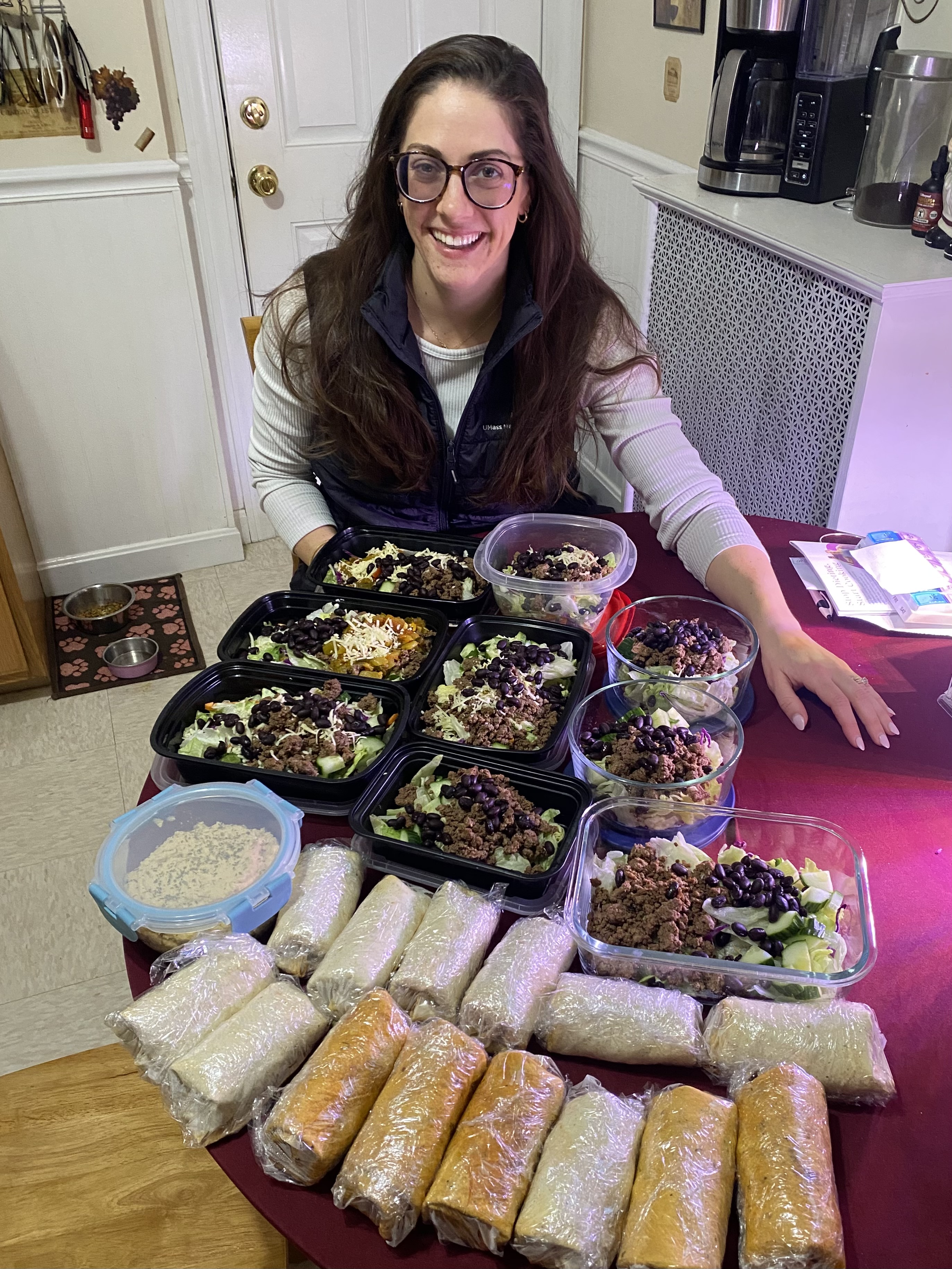
Hello Moms & Dads,
My name is Kellie. I am an intensive care nurse and holistic nutrition coach with a passion for helping families become healthier through realistic, affordable, and sustainable nutrition.
Back-to-school season is exciting, but it also brings packed schedules, early mornings, sports practices, homework, and the daily question of "What's for dinner?" As a busy intensive care nurse and business owner, I understand how challenging it can be to balance work, family, and healthy eating. Time is one of our most valuable resources.
One of the biggest game changers for my own health has been meal prepping. Spending a little time planning and preparing meals each week can make hectic school mornings easier, reduce the temptation to grab fast food, save money, and help the whole family eat more nutritious meals.
Whether you're packing lunches, trying to get breakfast on the table before the school bus arrives, or looking for quick dinners after practice, a few simple strategies can make healthy eating feel much more manageable.
I hope the tips below help you spend less time stressing about meals and more time enjoying this busy season with your family.
Benefits of Meal Prepping
- Saves you money! When you add up the cost of eating out and compare it to buying your own food to prepare, there is no question you can see how much money you can save yourself and your family.
- It is healthier because you made it with your health conscious mind as fuel for your body. When ordering out at a pub, grill or restaurant their use of oil, fats, and butter are much higher than what you would be using at home.
- Consistent portions created by you for your specific goals (weight loss, gaining muscle)
- Allow for more “you” time to spend doing things you love since you won't have to plan lunch/dinner every day. Just reheat.
How to Save Time Meal Prepping
- Making two meals at once saves you time and gives you extra meals to freeze or rotate so you don’t become bored of eating the same thing during the week.
- Pick two meals that contain similar ingredients. For example:I like making a three bean chili and my sweet potato enchiladas. The veggies and beans I use in the chili are also ones I use for the filling in my enchiladas. I kill two birds with one stone, cutting up everything at one time and splitting it between the chosen meals.
- I use a dicer for cutting up all my fruits and veggies and a shredder on my food processor for grating to save me lots of time. Check Amazon for a Dicer here
- Purchasing pre-cut and peeled veggies while shopping is a huge time saver if financially able. They have washed, diced, and peeled veggies and zoodles in the produce section nowadays. Don't be afraid to also utilize frozen veggies. They can be added to soups, stews, and casseroles for an even more time-saving prep.
- Using two methods of cooking is a tip I love to utilize. I make one meal in the crockpot so I can throw it in and it's done in a few short hours. No babysitting required! The other meal I make on the stovetop, oven or air fryer. This requires more attention and allows me to focus on just that meal. It's like getting two for the price of one!
These simple meal prepping tips will have you saving time, money, and energy.
Looking for more great FREE wellness content and recipes?
Check out my social pages and free resources for you here.
You will even find a 10% off discount on Meal Boosters to get more protein into your kids without the fuss, with flavors they will love for things like cheesy mac n cheese and tacos! See our blog on this as well.
Are you looking to improve your health and reach your goals with custom 1:1 nutrition coaching? Message me through our website for a free consultation to get started on your wellness journey today at ABetterPathtoWellness.com
Nourishing Brain Health: A Glance Into Nutrition and Lifestyle Strategies to Prevent Cognitive Decline

Cognitive decline affects millions worldwide, impacting memory, decision-making, and overall quality of life. While aging is a natural process, research shows that nutrition and lifestyle choices play a crucial role in maintaining brain health and slowing cognitive decline. Understanding how to nourish your brain through diet and daily habits can empower you to protect your mental sharpness for years to come.
Want an in-depth, in-person explanation and plan for optimizing and preserving brain health? Check out out Community Monthly Seminar Series at the Greendale YMCA. This month's topic on 2/15 at 12pm is Brain Health & Preventing Cognitive Decline. It's open to non-Y members! Details on our Monthly Health Seminar Tab.
Here is just a small sample of things we will cover:
Why Preventing Cognitive Decline Matters
Cognitive decline ranges from mild forgetfulness to severe conditions like dementia and Alzheimer’s disease. These conditions not only affect individuals but also place emotional and financial burdens on families and healthcare systems. Preventing or delaying cognitive decline helps maintain independence, improves quality of life, and reduces healthcare costs.
Brain cells are sensitive to damage from oxidative stress, inflammation, and poor blood flow. Over time, these factors can impair brain function. The good news is that many of these risks are modifiable through diet and lifestyle.
Nutrition Strategies to Support Brain Health
What you eat directly influences your brain’s structure and function. Certain nutrients protect brain cells, reduce inflammation, and improve communication between neurons.
Focus on Antioxidant-Rich Foods
Oxidative stress damages brain cells and accelerates aging. Antioxidants neutralize harmful free radicals. Include these foods regularly:
- Berries such as blueberries and strawberries contain flavonoids linked to improved memory.
- Leafy greens like spinach and kale provide vitamins E and K, which support brain cell health.
- Nuts and seeds, especially walnuts and flaxseeds, offer omega-3 fatty acids and vitamin E.
Prioritize Healthy Fats
The brain is nearly 60% fat, and omega-3 fatty acids are essential for maintaining its structure and function. Sources include:
- Fatty fish such as salmon, mackerel, and sardines
- Chia seeds and flaxseeds
- Walnuts
Omega-3s help reduce inflammation and support communication between brain cells.
Choose Whole Grains and Fiber
Whole grains provide steady glucose, the brain’s main energy source. They also improve blood flow and reduce the risk of vascular problems that can affect cognition. Examples:
- Oats
- Brown rice
- Quinoa
Fiber-rich foods also support gut health, which emerging research links to brain function.
Limit Processed Foods and Sugars
Highly processed foods and excessive sugar intake increase inflammation and oxidative stress. These can accelerate cognitive decline. Reducing consumption of sugary drinks, fast food, and refined carbs benefits brain health.
Lifestyle Habits That Protect Cognitive Function
Nutrition alone is not enough. Lifestyle factors strongly influence brain aging and cognitive performance.
Regular Physical Activity
Exercise increases blood flow to the brain, promotes the growth of new brain cells, and reduces inflammation. Aim for:
- At least 150 minutes of moderate aerobic exercise weekly (e.g., brisk walking, cycling)
- Strength training at least twice a week for 30 minutes (It doesn't have to be super heavy weight people!)
Studies show that physically active adults have a lower risk of cognitive decline.
Quality Sleep
Sleep clears toxins from the brain and consolidates memories. Poor sleep is linked to impaired cognition and increased risk of dementia. Tips for better sleep:
- Maintain a consistent sleep schedule
- Create a dark, quiet sleeping environment
- Avoid screens before bedtime
- Aim for 7 hours
Mental Stimulation
Challenging the brain builds cognitive reserve, helping delay decline. Engage in activities like:
- Reading and puzzles
- Learning new skills or languages
- Social interactions
Stress Management
Chronic stress releases hormones that can damage brain cells and impair memory. Practices such as meditation, deep breathing, and yoga help reduce stress.
Avoid Smoking and Limit Alcohol
Smoking reduces oxygen supply to the brain and increases oxidative stress. Excessive alcohol damages brain cells and impairs cognition. Quitting smoking and moderating alcohol intake support brain health.
Practical Tips to Incorporate Brain-Healthy Habits
- Start your day with a breakfast rich in whole grains, nuts, and berries.
- Include fatty fish in meals at least twice a week.
- Replace sugary snacks with fruits or nuts.
- Schedule regular walks or exercise sessions.
- Dedicate time daily to reading or brain games.
- Practice relaxation techniques to manage stress.
- Prioritize 7-9 hours of sleep each night.
The Role of Hydration and Supplements
Staying hydrated supports concentration and cognitive function. Aim for 8 cups of water daily, adjusting for activity, sex and climate.
Some supplements like omega-3s, vitamin D, and B vitamins may help, but it is best to get nutrients from food first. Consult A Better Path to Wellness for brain health supplements that are right for you!
Maintaining brain health requires a combination of good nutrition and lifestyle habits. By choosing antioxidant-rich foods, healthy fats, whole grains, and staying physically active, you can support your cognitive function and reduce the risk of decline. Small, consistent changes in diet and daily routines build a strong foundation for mental sharpness and quality of life as you age.
We hope to see you at our seminar on 2/15 for more brain health info, a take-home guide & resource, and a chance to win awesome high-value wellness prizes. This could just be the community you are looking for to improve your health all around for the low cost of only $10.
https://www.eventbrite.com/e/1980917963955?aff=oddtdtcreator
You wont't find anything else around like it.
Can't make it? I offer free consults to work with me 1:1.
Kellie Hamilton BSN, RN, HN
Owner | A Better Path to Wellness LLC

Plant-Forward Diet, Plant-Based Diet, and Vegan Diets: What’s the Difference?

Allow this article to clear up any confusion you have about what kind of plant dieter your roommate or cousin is before the next family holiday. Check out the helpful glossary at the bottom!
A diet rich in whole or minimally processed plant foods offers numerous benefits to your health.
Research shows that high-quality, plant-based diets have the following health benefits:
- May help promote healthy blood sugar and insulin levels, in turn helping to prevent the development of type 2 diabetes
- Lowers the risk of heart disease
- Helps to reduce high blood pressure
- Reduces the risk of cancer
- Reduces overall mortality
Plant-based diets can help to support environmental health as well. If the majority of the population ate diets richer in plants and lower in animal products:
- Water, land, and energy use are diminished.
- Human-generated greenhouse gas emissions are reduced.
- Biodiversity could be preserved.
- Deforestation could be prevented.
It is clear there are benefits to consuming more plants and less animal-based foods and products. As a health, wellness, nutrition, and fitness coach, understanding and implementing key terms can help you to support and educate clients who have adopted or who are interested in adopting a plant-based dietary regimen.
In this article, we summarize the differences and similarities between plant-forward, plant-based, vegan, vegetarian, and other dietary patterns that focus on plant consumption. At the end of the article, you will find a glossary that summarizes the most common definitions of these terms for your own reference or to use as an educational tool for your clients.
A Note About the Use of the Term “Diet”
In popular jargon, the term “diet” is used to refer to a restrictive eating pattern, often one that a person takes on for a short period of time to achieve a certain health or aesthetic goal.
In the nutrition and wellness space, a diet is simply a pattern or a way of eating. Whatever you tend to eat on a daily, weekly, or monthly basis, that is what makes up your diet.
In this article, and throughout all of the articles on the AFPA blog, the term “diet” refers to a pattern of eating. The exception is if the article is referring to the name of a popular or fad diet that is, by nature, highly restrictive and meant to be followed for short periods of time.
Different Plant-Based Diets: Definitions and Descriptions
Vegetarian Diets
Vegetarian diets are those where meats, poultry, and fish are excluded from the diet. Other animal foods may be excluded as well. Some vegetarians, however, may regularly eat eggs (ovo-vegetarians), dairy (lacto-vegetarians), or even fish (pescatarians). In this sense, it is possible to be a vegetarian but still obtain a significant portion of your daily nutrients from animal-based foods.
Vegan Diets
Veganism avoids any foods sourced from animal-based products.
Often, but not always, veganism refers to a lifestyle rather than just an eating pattern. A vegan lifestyle is one where all animal-based products and products that involve animals in any way are completely avoided.
People who are vegan tend to not only avoid any animal-sourced foods, including eggs and dairy, but they also tend to avoid any products with raw materials from animals or where animals might have been hurt in the process. These other products include leather, suede, and beauty products with animal testing processes.
People may follow vegan diets for health reasons, environmental reasons, ethical reasons, or a combination.
Veganism is among the most restrictive plant-based regimens. Two other forms of veganism that are more limited in food choice include raw veganism, where vegans only eat uncooked plant-based foods, and a fruitarian diet, a type of raw veganism where most of the food eaten is fruit.
Plant-Based Diet
Plant-based diets are those where the diet as a whole is composed mostly of plant-based foods, and, as a result, nutrient needs are met mostly by plant-based products.
The term plant-based diet can be used generally to refer to all plant-based eating patterns, including veganism, vegetarianism, and a plant-forward diet. However, many people prefer to use the term “plant-based,” as opposed to vegan or vegetarian, due to key differences in what the different eating patterns entail.
Because of these variations, a plant-based diet doesn’t have a strict definition, and that is purposeful. The term signals a general pattern of eating, but it is not meant to be restrictive. For example, a person eating a plant-based diet may eat eggs a few times a week, or they may eat meat at a family member’s house for a special gathering.
However, it can be useful to have a clearer definition of a plant-based diet for research and educational purposes.
Several groups of researchers have attempted to define a plant-based diet, and the results have varied.
One of the most popular definitions of a plant-based diet is as follows:
A regimen that encourages whole, plant-based foods and discourages meats, dairy products, and eggs as well as all refined and processed foods.
This definition leaves a lot of wiggle room. It doesn’t necessarily exclude processed foods, ultra-processed foods, and energy-dense and nutrient-poor foods. Some dietitians and researchers differentiate a standard plant-based diet from a healthy plant-based diet, where the consumption of ultra-processed foods, drugs, and alcohol is minimized. One study highlighted how variations in plant-based diet patterns have an influence on cardiovascular health risks; plant-based eating patterns based on whole fruits and vegetables, legumes, and whole grains had better outcomes than those that consumed starchier and more overcooked or ultra-processed foods.
It is important to note that not all people who eat a plant-based diet, or who consider themselves vegetarians or vegans for that matter, follow the exact same eating patterns. Factors such as likes and dislikes, culture, and access all have an undeniable influence on what diets look like and how they are experienced.
Plant-Forward Diet
The American Heart Association defines a plant-forward diet as “a style of cooking and eating that emphasizes plant-based foods but is not strictly limited to them. Meat may be included, but it’s usually not the main feature of the meal.”
As this definition may sound very similar to a plant-based diet, Jada Linton, RDN LD, provides a wider definition of plant-forward as a movement rather than a specific diet.
“Plant-forward is the overarching umbrella term that includes a wide range of eating patterns. Plant-forward includes vegan, vegetarian, Mediterranean, and any other eating pattern that focuses on increasing fruit and vegetable consumption.”
This pattern of eating and this term have gained plenty of traction because the USDA 2020-2025 Dietary Guidelines recommend a plant-forward eating pattern. Some cultural patterns of eating, mainly in parts of Asia, Africa, Latin America, and the Mediterranean region, have been plant-forward for thousands of years. The consumption of meats and dairy as staples in the diet is a Western influence and relatively recent. In fact, several historical and social science researchers have shown that the psychology around meat eating as it relates to class and income, rather than nutrition, has significantly influenced what we deem healthy.
Some people following a plant-forward eating pattern may identify with the term flexitarian. A flexitarian diet is one that is mostly vegetarian or plant-based but may consume meat and animal-based products occasionally.
Glossary of Terms
Keeping tabs on the different terms mentioned in this article may be confusing. To summarize, we’ve created a glossary of terms in alphabetical order you can refer to.
Fruitarian: A type of raw veganism where most of the food eaten is fruit.
Lacto-ovo-vegetarian: A vegetarian diet that includes dairy and eggs.
Lacto-vegetarians: A vegetarian diet that includes dairy.
Ovo-vegetarian diet: A vegetarian diet that includes eggs.
Pescatarian: A vegetarian diet that includes fish.
Plant-based diet: “Plant-based” refers to a dietary pattern that primarily consists of plants (i.e. fruits, vegetables, seeds, nuts, legumes, whole grains, etc.). While the program does cover different types of vegetarian and vegan diets, it also considers diets that include meat and other animal products.
Plant-forward movement or diet: The term that refers to a movement toward a wide range of eating patterns. Plant-forward includes vegan, vegetarian, Mediterranean, and any other eating pattern that focuses on increasing fruit and vegetable consumption.
Raw veganism: In addition to avoiding any products that involve animals in the process, raw vegans only eat uncooked plant-based foods.
Vegan diet: That which avoids any foods sourced from animal-based products.
Veganism: A lifestyle where animal products and products that may harm animals are avoided in the diet and in purchasing choices.
Vegetarian diets: Those where meats, poultry, fish, eggs, and dairy may be excluded from the diet.
Main Takeaways
Dietary guidelines worldwide are recommending that people consume more plant-based foods in place of animal-based foods. The focus is on fruits, vegetables, whole grains, nuts, and seeds rather than on refined grains and ultra-processed foods, which lose valuable nutrients in the process.
There are numerous dietary patterns that focus on plants rather than on animals. The terms mentioned here serve as educational and organizational tools to help you understand the different ways that people may adopt an eating pattern where they eat more nutrient-dense plant foods rather than animal foods.
If you or your client is looking to transition toward a plant-based diet, you can read this article on 8 Best Practices for Transitioning to a Plant-Based Diet on the AFPA blog for a quick read or download the AFPA Coaching Resource for Plant-Based Eating here.
References
- https://www.ncbi.nlm.nih.gov/pmc/articles/PMC3662288/
- https://academic.oup.com/advances/article/10/Supplement_4/S275/5624061?login=true
- https://www.sciencedirect.com/science/article/pii/B9780128039687000010
- https://www.tandfonline.com/doi/abs/10.2752/175174412X13190510222101
- https://www.rush.edu/news/health-benefits-vegan-diet
- https://www.medicalnewstoday.com/articles/raw-vegan-diet
- https://www.bbcgoodfood.com/howto/guide/what-fruitarian-diet
- https://www.ncbi.nlm.nih.gov/pmc/articles/PMC3662288/
- https://www.jacc.org/doi/full/10.1016/j.jacc.2017.06.006
- https://www.sciencedirect.com/science/article/abs/pii/S1050173818300240
- https://www.dietaryguidelines.gov/
- https://www.ncbi.nlm.nih.gov/pmc/articles/PMC6165406/
Please Welcome Coach Phil George to the ABPW Team!

I'm thrilled to announce the newest member of the A Better Path to Wellness team, Phil George!
Phil is a wealth of knowledge and energy. His passion for helping others and expertise in the field of biochemistry and health research make him the perfect addition to the team here. You might recognize Phil from one of his many endeavors below!
Phil George has spent most of his adult life educating and helping clients live a healthier, more fulfilling life.
He is a clinical biochemist/certified personal trainer/health coach.
As a biochemist, he was trained to understand “the mechanism of action” or what is causing the problem as opposed to just throwing medications at the illness.
Many clients/listeners say that Phil makes complicated subjects much easier to understand.
He was hired by a veteran’s group and gave seminars throughout New England.
Phil continues to give seminars to senior centers and other groups in New England.
For the past two years Phil has been the host of a popular radio and TV show in Central Massachusetts, WellnessWave Radio,LLC. on WCRN in Boston, MA.
Wellness Wave LLC with Phil can be heard every Wednesday 11am&11pmET on syndicated Dreamvisions 7 Radio & TV Network. https://dreamvisions7radio.com/wellness-wave-radio-llc/
Check out his awesome educational packed programs!
Here is a show we did together last year. What do you think of our chemistry?
#abetterpathtowellness #wellnesswaveradio #healthcoach #biochemist #personaltrainer #host #rootcause #evidencebased #team #healthyliving #welcome
The Benefits of Yoga and Ayurveda

Yoga and Ayurveda are sister sciences of India that can be traced back 5,000 years. Yoga joins the mind+body and Ayurveda is India’s Traditional System of Ancient Medicine that treats symptoms by root cause analysis of illness and disease. Yoga can be viewed as movement as medicine and Ayurveda as food as medicine.

There are many ways to get in touch with a healthier way of living. With our rat race way of working, double income standards, and on the go lifestyles, chronic stress is a household disorder. It's not always easy to create time for balance in our lives, however it is vital to our health and happiness.
It’s becoming more mainstream knowledge that the culmination of environment, genetics, nutrition, and lifestyle choices contribute to the state of your health and how you age. Whether you follow popular fad diets or utilize professional guidance, we are all seeking sustainable, long term health. We may observe how something works for someone and try it, finding it does not have the same or lasting effect and we wonder why. This is where Yoga + Ayurveda come in with their powerful healing potency and purposeful way of living.

Yoga, Yog, Yuji
From the Sanskrit word “yuji,” yoga means to yoke or unite. Yoga is an ancient practice that bridges the mind+body. Beyond physical poses, yoga teaches breathing exercises and meditation, alongside mindful living and eating to encourage health, wellbeing, relaxation, and stress reduction.
Yoga is the one thing that finally worked for me. I was never a workout or gym person, so when yoga became more prominent in my life, it made sense and stuck. Some people feel the same way I do about yoga as they do about weight lifting or mountain climbing. This is THE thing. Find your thing and do it for better health and state of mind. For me, it started out with handstands and then asanas leading into the meditative and internal growth practices that naturally arise with a yoga practice.
Once you begin a consistent workout practice, it can lead to an internal workout. Inner work inevitably heals you on many levels. Yoga is the practice of layers. Working on the physical begins to reveal your authentic self to live a life closer to what you are truly aligned with.
When you are aligned with yourself from the inside, it begins to reflect on the outside; from the inside out. This can lead to health of a sublime degree. Doing yoga for physical reasons alone can benefit you greatly by improving flexibility, mobility, strength, and endurance. Moreover, known as a practice of the spine, yoga inherently heals on a nervous system level. The positive impacts of breathwork, heart rate variability, and vagus nerve function are just some of the modern cutting edge research of the many advantages of yoga.
Ayur, Veda
Ayurveda is derived from the Sanskrit words Ayur (life) and Veda (science or knowledge). This translates to knowledge of life, which I recognize as an innate part of each of us. If we go outside, connect to nature and really tune in, we are in touch with this knowledge. Universal law, that which doesn’t require a label or definition- simply a knowing. This begins to scratch the surface of the depth Yoga + Ayurveda can go for each person.
For those new to Ayurveda, it is essentially holistic health, true self-healing. Comparable to Chinese Medicine, Homeopathy, and Naturopathic/Functional medicine, Ayurveda focuses on optimal digestion and nutrition for each person’s needs. It is not intended to be one size fits all and synthetic medication or surgery are only used as a last resort. Viewed as nature's medicine, Ayurveda assesses the whole person and their constitutional body type to determine what is needed in order to thrive and bring support through life circumstances.
In Ayurveda, alike yoga, we look at the layers that may have brought on a condition or a person to where they are. We essentially “peel back the onion” to reverse what has occurred to return to a time where there was homeostasis. Again, this can be found in multiple ways for any seeking a healthier lifestyle. Eating healthier looks different person to person and in Ayurveda, season to season. If we were living off the land, we would intake food and drink accessible to us. We would only consume what grows around where we live. This is different from eating what is available in a grocery store exported from other geographical locations and eating the same way all year round. How Ayurveda treats food as medicine is on an individual basis taking into consideration each person's symptoms, current lifestyle, and future goals. Specific yoga poses and practices are recommended to support the nervous system in achieving new health goals while undergoing potentially challenging changes.
Much of what we struggle with in life comes down to two things. How we digest both the food that we eat and the life experiences that we go through. If we struggle to digest foods that haven’t been in our ancestral lineage or geographical location and perpetuate an inflammatory lifestyle of stress, it will begin to show up as digestion, elimination, and mind issues. Likewise, if we struggle to digest the things that have occurred in our lives or the way our work, family, and relationships influence us, our health will suffer. Our bodies work hard to protect us and achieve homeostasis on a daily basis with these factors at play. Ayurveda can help bring healing balance into your life using effective practices to support routine, nutrition, hydration, movement, and more. Practices such as warm, nourishing cooked foods, self oil massage, breathing exercises, and herbal supplementation are just some of what may be recommended in an Ayurvedic consultation.
Benefits + Results
The benefits of yoga span from purely physical improvements to even healing trauma. There are numerous publications readily available that outline the benefits of Yoga + Ayurveda when practiced together, which is the original intent. From my studies and personal experience, yoga helped me begin a healthy relationship with my body, expanding into improving my overall health, nutrition, mentality, and relationships. I was able to heal long term chronic issues with Ayurveda that no other Western methodology could help. From this perspective, when you begin to eat healthier and live more holistically, a shift takes place as you evaluate what to consume in all areas of your life. Once you introduce these wholesome, simple life practices, you begin to see results in a matter of time. Nothing truly worth trying is a quick fix. You need to make an effort and put time in, but with consistency you can begin to see results in your health in as soon as 3 weeks. Depending on how long a chronic issue has been present, requires dedicated time to turn it around with appropriate lifestyle changes. Yoga + Ayurveda can support these changes in a simple, profound, and realistic way.
Find Bethany on Instagram at https://instagram.com/bethanyjewellyoga?igshid=YmMyMTA2M2Y=
Her link in bio has some great resources for you!
Tired All the Time? Read This

Sleep is not just about rest. It is the foundation of how your entire body functions the next day.
If you are waking up between 2 and 4 am, feeling wired but tired at night, crashing in the afternoon, or relying on caffeine just to get through your day, those are not random issues.
They are signals. Your body is trying to tell you that your sleep rhythm is off.
Inside your body, sleep controls far more than energy. It regulates your hunger hormones, your stress response, your blood sugar, and even how your brain clears out toxins. When sleep is disrupted, it can look like cravings, weight gain, anxiety, irritability, brain fog, or feeling overwhelmed by things that normally would not phase you.
One of the biggest misconceptions is that sleep is only about getting enough hours. In reality, quality matters just as much as quantity. You need to move through deep and restorative sleep cycles. That depends on things like your cortisol rhythm, light exposure, nervous system balance, and even how you wind down at night.
Here are a few simple things you can start noticing right away:
• Do you get a second wind late at night
• Do you wake up feeling unrefreshed even after a full night in bed
• Do you feel most alert at night instead of during the day
• Do you rely on sugar or caffeine for energy
These are all signs your sleep cycle may need support.
Small changes can make a big difference. Getting morning sunlight within an hour of waking helps reset your internal clock. Eating balanced meals during the day supports stable blood sugar and better sleep at night. Creating a consistent wind down routine signals safety to your nervous system so your body can actually relax.
But most people are guessing their way through this, trying random tips without understanding what their body actually needs.
That is why we are hosting this seminar.
Join us on May 3rd at 12 pm at the Greendale YMCA for a deeper look at what is really affecting your sleep and how to fix it in a practical, realistic way.
You will walk away understanding your own patterns, what is keeping you stuck, and clear steps you can start that night.
If you are tired of waking up tired, this is where things can start to shift.

What Are Meal Boosters and Who Can Benefit from Them?

Many people struggle to meet their daily protein needs. Busy schedules, reduced appetites, picky eating habits, and changing nutritional needs can make it difficult to get enough high quality protein through food alone.
That's where Meal Boosters come in.
Meal Boosters are a simple way to add extra protein and nutrition to the foods you already enjoy. Made with real cheese and designed to blend seamlessly into everyday meals, Meal Boosters can be stirred into pasta, soups, casseroles, mashed potatoes, vegetables, rice dishes, and more. They enhance nutrition without requiring major changes to your favorite recipes.
The goal is simple: help you increase protein intake while making healthy eating easier and more enjoyable.
Why Is Protein So Important?
Protein plays a vital role throughout every stage of life. It helps:
- Build and maintain muscle
- Support growth and development
- Promote healthy aging
- Support immune function
- Increase satiety and fullness
- Help maintain energy levels throughout the day
Unfortunately, many people do not consume enough protein consistently, especially children, older adults, and selective eaters.
Meal Boosters for Kids
Children often go through phases where they prefer only a few foods and may resist trying new ones. This can make it challenging to ensure they are getting adequate nutrition.
Adding Meal Boosters to foods they already love can help increase protein intake without creating mealtime battles.
Benefits for children include:
- Supporting healthy growth and development
- Helping build strong muscles and bones
- Providing lasting energy throughout the day
- Promoting fullness between meals
Meal Boosters can easily be added to macaroni and cheese, pasta dishes, mashed potatoes, soups, and other family favorites.
Meal Boosters for Aging Parents and Loved Ones
As we age, maintaining muscle mass becomes increasingly important. Muscle loss can affect strength, mobility, balance, and independence. At the same time, appetite often declines, making it more difficult to consume enough protein.
Meal Boosters offer a convenient way to increase protein intake without requiring larger meal portions.
Benefits for older adults include:
- Supporting muscle maintenance and healthy aging
- Helping preserve strength and mobility
- Assisting with recovery from illness, injury, or surgery
- Supporting independence and quality of life
For many families, Meal Boosters provide a simple solution for adding meaningful nutrition to everyday meals.
Meal Boosters for Picky Eaters
Not everyone enjoys traditional high protein foods. Whether it's a child, teenager, or adult, picky eating can make meeting nutritional needs difficult.
Meal Boosters help by adding protein to familiar foods without significantly changing taste or texture.
Benefits include:
- Increasing protein intake without adding extra food volume
- Supporting overall nutrition
- Reducing stress around meals
- Making healthy eating more achievable
Sometimes the easiest solution is working with the foods someone already enjoys rather than trying to force new ones.
Small Changes Make a Big Difference
Improving nutrition doesn't always require a complete overhaul of your diet. Sometimes the most effective changes are the simplest ones.
By adding Meal Boosters to meals you already prepare, you can help support growth in children, maintain strength in older adults, and increase protein intake for picky eaters and busy families alike.
Because when it comes to nutrition, every bite counts.
Try a sample pack for your family today and get everyone in on the gains and flavor!
https://mealboosters.com/products/the-strong-body-bundle 10% off with "ABPW10"
Need a recipe to try?
Our July Newsletter will have the Deconstructed Protein Cheesesteak Recipe in it! Stay Tuned and sign up on the website to get it!
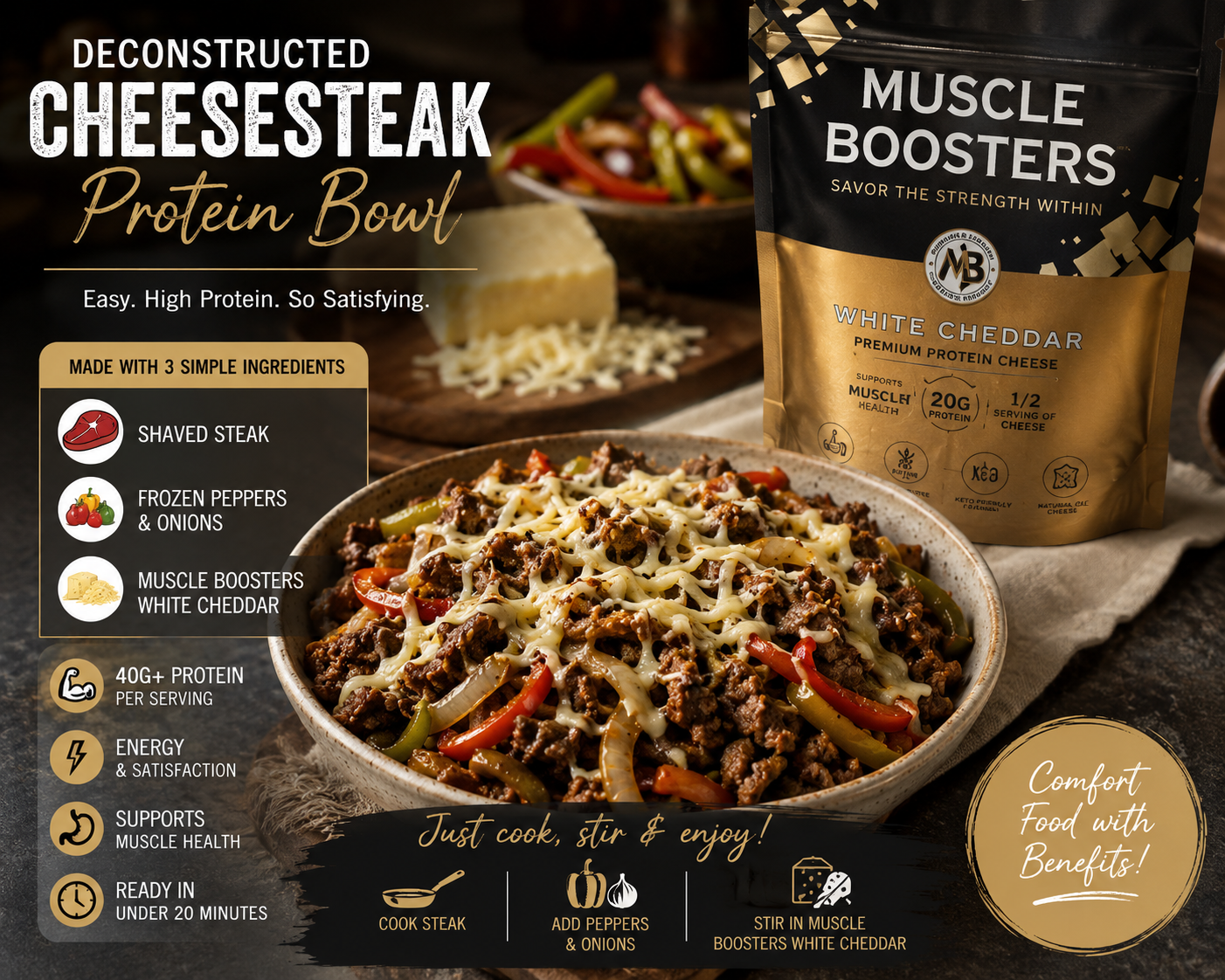
What a Holistic Nutritionist Can Do For You

And Why They Are a Powerful Asset to Your Health
We live in a time where health information is everywhere, yet many people still feel confused, overwhelmed, or unsupported. Labs can look normal, advice can conflict, and symptoms can linger without clear answers.
This is where holistic nutrition comes in.
A holistic nutritionist takes a whole person approach to health, looking not only at food, but at how nutrition interacts with stress, sleep, movement, medications, emotions, and daily life. The goal is not perfection. It is clarity, confidence, and sustainable change.
Rooted in Evidence Based Care
Holistic nutrition is not guesswork or trend based advice. A qualified holistic nutritionist uses evidence based nutrition science and translates it into practical guidance you can actually apply.
This includes understanding how
• Macronutrients support energy, blood sugar, and muscle health
• Fiber and gut health influence cholesterol, inflammation, and digestion
• Micronutrients like B vitamins, magnesium, vitamin D, and omega three fats affect mood, focus, and recovery
• Meal timing and consistency impact hormones, metabolism, and cravings
Rather than overwhelming you with rules or numbers, evidence based holistic nutrition focuses on education, context, and personalization. You learn why recommendations matter and how to adapt them to your real life.
Looking at the Whole Picture
Most people already know what they should eat. The challenge is understanding why certain habits feel hard to change and how health fits into busy, stressful lives.
A holistic nutritionist helps uncover patterns such as
• Emotional or stress driven eating
• Skipped meals leading to energy crashes
• Sleep disruption affecting hunger and cravings
• Social and cultural food habits that matter deeply
By addressing the root causes behind habits, not just the behavior itself, change becomes more realistic and compassionate.
Where My Clinical Background Adds Unique Value
As both a practicing ICU nurse and a certified holistic nutritionist, I bring a perspective that spans all sides of healthcare.
I have seen firsthand what happens when prevention is missed and when small imbalances turn into serious illness. I understand lab values, medications, diagnoses, and the inpatient hospital system, but I also understand the daily choices and barriers people face outside of clinical settings.
This dual background allows me to
• Translate medical information into clear, understandable language
• Support nutrition decisions alongside medications and diagnoses

• Help clients advocate for themselves in medical settings
• Bridge the gap between conventional care and lifestyle support
You are not choosing between clinical insight and holistic care. You are getting both working together.
Building Skills That Last
Holistic nutrition is not about short term plans. It is about building skills that support you long term.
This includes
• Learning how to balance meals without restriction
• Understanding labels and grocery choices
• Supporting heart health, metabolic health, and brain health through food
• Developing routines that support energy and consistency
• Creating a healthier relationship with food
These tools help you feel more confident and in control, not dependent on the next plan or trend.
The Bigger Impact on Health
When nutrition and lifestyle are supported in a thoughtful way, people often notice improvements in
• Energy and focus
• Sleep quality
• Mood and stress resilience
• Digestive comfort/ Weight Management
• Confidence around food
• Overall sense of wellbeing
This ripple effect is why holistic nutrition can be such a powerful part of preventive and long term health.
Ways to Work Together
There are many ways to take advantage of holistic nutrition support depending on your needs and goals.
You can
• Work with me one to one for personalized nutrition and lifestyle coaching (Free Consults)
• Attend a seminar or workshop focused on topics like heart health, brain health, or metabolic wellness
• Hire me for a corporate wellness screening or educational event
Whether you are looking to improve energy, better understand your labs, support chronic conditions, or invest in prevention, having a coach who understands both clinical care and holistic health can make all the difference.
You do not have to navigate your health alone. Support, education, and prevention belong in your corner. 💚
Be Well,
Kellie | Owner of A Better Path to Wellness
Whole Women Health Podcast with Bethany Gadbois
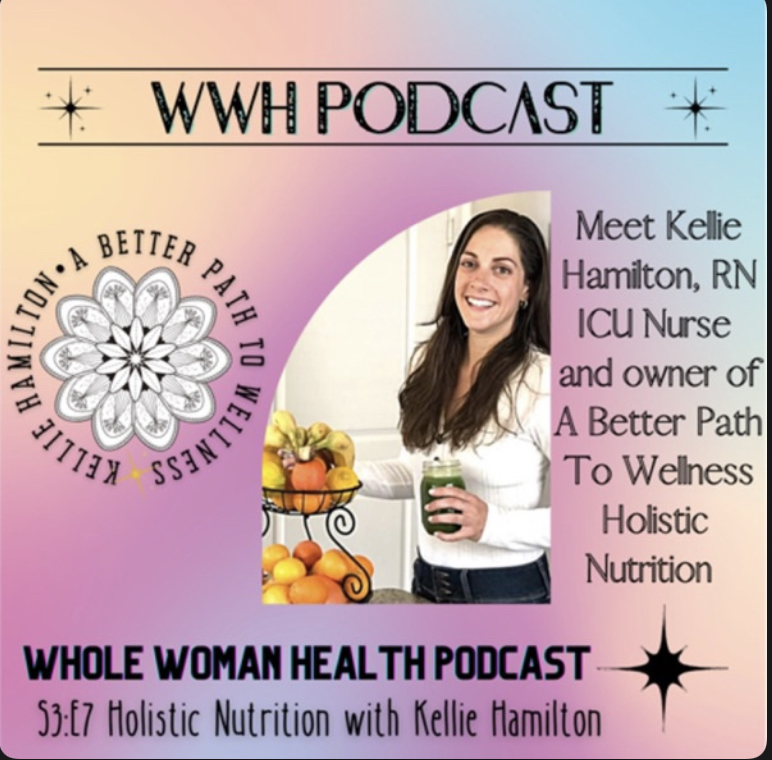
I enjoy all my podcast guests, but this one is special❤️🔥
💥As Promised💥
Meet your triple threat Kellie! She is absolutely a threat to the status quo with the work she’s doing as an ICU nurse, holistic nutritionist, and health & nontoxic advocate💥
I met Kellie last summer when we first crossed paths with S&C, quickly seeing that we both had holistic health living in common. We instantly clicked and have collaborated together #womensupportingwomen 💥
Kellie has been doing community events in the central & Worcester mass area, which you may have seen her pop up at. If not, you most likely will! She has amazing things in the works for a healthier future for us💥
Show Kellie some❤️🔥 by giving this episode a listen. I think you will appreciate her #WholeWomanWisdom at the end💥
https://podcasts.apple.com/us/podcast/whole-woman-health/id1566879971?i=1000585350333
Follow & find Kellie💥 A Better Path to Wellness
https://www.abetterpathtowellness.com/
https://www.facebook.com/abetterpathtowellness
https://instagram.com/a_better_path_to_wellness
Why Comprehensive Blood Work Matters More Than Ever
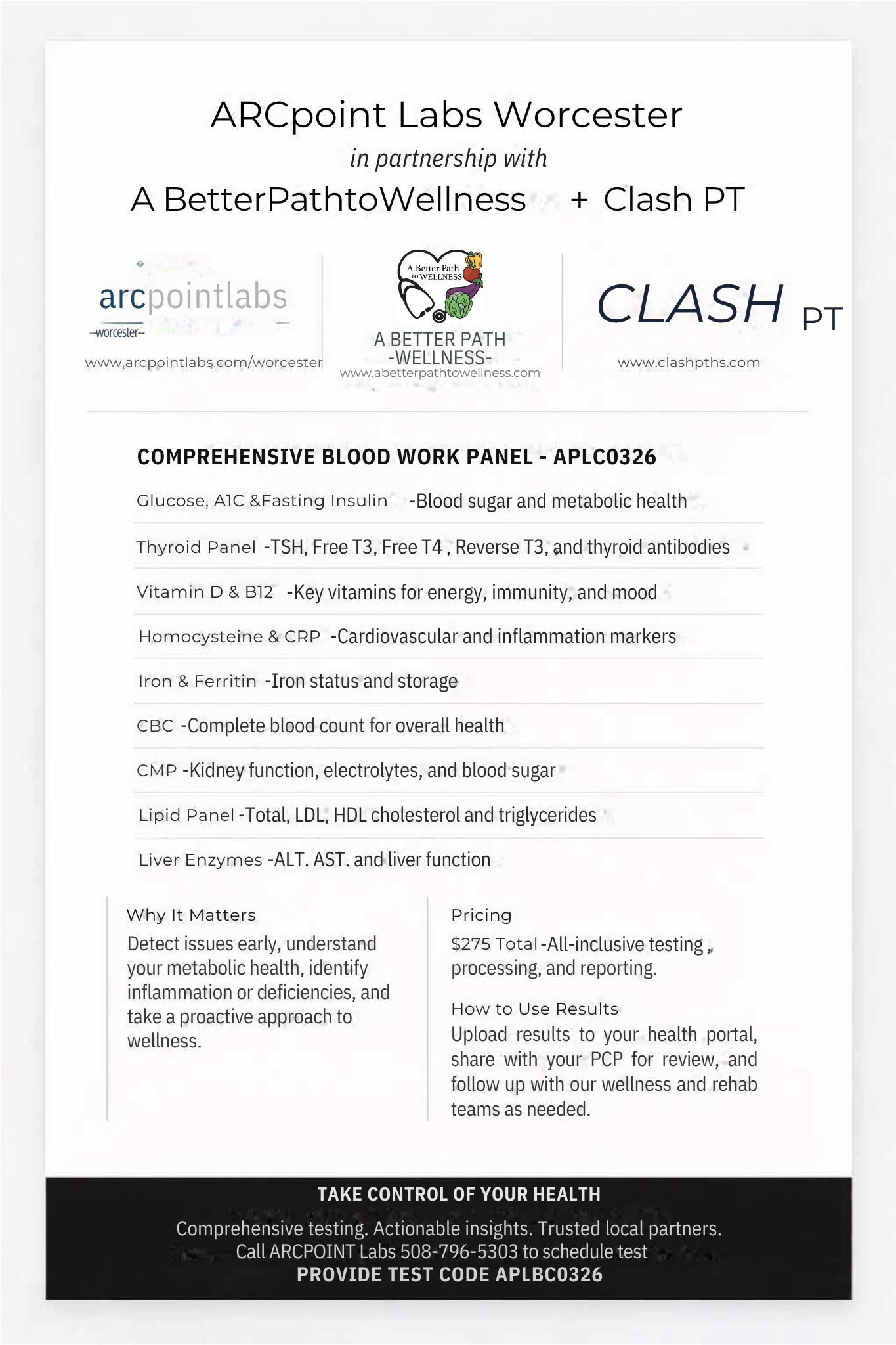
At A Better Path to Wellness, I believe true wellness starts with understanding what is happening inside the body, not just managing symptoms after they appear. That is why I am so excited to partner with ARCpoint Labs Worcester to offer a comprehensive blood work panel designed to help you take a proactive approach to your health.
Too often, people are told their labs are “normal” while still struggling with fatigue, weight changes, inflammation, poor sleep, brain fog, low energy, digestive issues, or difficulty building muscle and maintaining vitality as they age. Comprehensive testing helps uncover important clues that standard screenings may overlook.
One of the biggest frustrations I hear from clients is how difficult it can be to get comprehensive labs ordered through traditional healthcare. Many providers are limited by insurance guidelines and may only order the most basic testing unless a condition is already advanced or meets strict criteria. Even when deeper testing is clinically valuable, insurance companies often deny coverage for more comprehensive markers related to thyroid health, inflammation, metabolic function, nutrient deficiencies, and cardiovascular risk.
Unfortunately, this can leave many people paying hundreds or even thousands of dollars out of pocket for individual specialty labs through traditional routes. In many cases, direct pay comprehensive panels are actually more transparent, affordable, and accessible than trying to piece together multiple tests through insurance with uncertain coverage and surprise bills afterward.
Our goal with this collaboration is to make high quality wellness focused lab testing more accessible, straightforward, and proactive.
Our Comprehensive Blood Work Panel includes:
• Glucose, A1C, and fasting insulin for metabolic health and blood sugar balance
• Full thyroid panel including TSH, Free T3, Free T4, Reverse T3, and thyroid antibodies
• Vitamin D and B12 levels for energy, immunity, and mood support
• Homocysteine and CRP to assess inflammation and cardiovascular risk
• Iron and ferritin to evaluate iron status and storage
• CBC for overall blood health
• CMP for kidney function, electrolytes, and metabolic markers
• Lipid panel including HDL, LDL, triglycerides, and total cholesterol
• Liver enzymes including ALT and AST
Why does this matter?
Because prevention matters.
Understanding your labs early can help identify nutrient deficiencies, inflammation, metabolic dysfunction, thyroid imbalances, and cardiovascular risk factors before they become larger health concerns. It also gives you the opportunity to make informed decisions about nutrition, movement, recovery, stress management, and lifestyle habits that support long term health and vitality.
As a holistic nutritionist and ICU nurse, I have seen firsthand how powerful proactive health care can be. Wellness is not just about reacting when something goes wrong. It is about creating a foundation that supports energy, resilience, strength, and longevity.
This partnership allows us to bridge the gap between functional wellness, rehabilitation, and comprehensive testing in a way that empowers individuals to better understand their health.
The panel is $275 and includes testing, processing, and reporting. Once results are available, clients can upload them to their health portal, share them with their primary care provider, and follow up with our wellness and rehab teams as needed.
This is about taking control of your health with actionable insights and trusted local partners who genuinely care about helping you feel your best.
To schedule your test, contact ARCpoint Labs Worcester at 508-796-5303 and provide test code APLBC0326.
Your health deserves more than guessing. Knowledge is power, and wellness starts from within.
YOUR BRAIN ON SUGAR

Sugar is, some would say, a controversial food.
It’s a controversial topic for several reasons. One reason is that it is considered a major contributor to the obesity epidemic. Consuming too much added sugar can lead to weight gain, insulin resistance and an increased risk of obesity-related diseases such as type 2 diabetes, heart disease, and certain cancers. Insulin resistance can affect cognitive function and increase the risk of developing conditions such as Alzheimer's disease.
Additionally, sugar is often added to processed foods and drinks, which can make it difficult for people to control their intake. Unless you are aware of the many different names of sugar (61 and counting), and regularly check the labels on the food you buy, it’s difficult to keep track of just how much sugar you consume each day.
Another reason sugar is controversial is because of the way it is marketed and sold. The sugar industry has been accused of using tactics similar to those used by the tobacco industry to downplay the negative health effects of sugar and promote its consumption.
There are some who believe that sugar is addictive, similar to drugs, as it triggers the pleasure and reward areas of your brain. Constant stimulation from sugar can lead to a higher tolerance, triggering an increasing amount of sugar to feel the same, to get that “fix”. Studies have shown that excessive sugar consumption can lead to changes in the brain similar to those seen in drug addiction, leading to detox and withdrawal symptoms when sugar is removed.
Additionally, consuming too much sugar can lead to a decrease in brain-derived neurotrophic factor (BDNF) which is a protein that promotes the growth of new neurons and is important for learning and memory. High sugar intake can also lead to inflammation in the brain, which is associated with neurological disorders such as depression, anxiety, and schizophrenia.
Finally, consuming too much sugar can lead to a spike in blood sugar levels, followed by a crash, which can cause fatigue, irritability, and difficulty concentrating. In general, it is recommended to limit sugar intake to promote overall health and well-being of the brain.
Overall, sugar is a topic of ongoing scientific research, and there are many differing opinions on the health effects of sugar consumption.
It is important to consider just how much sugar you are putting into your body, and educate yourself on the different forms of sugar that food companies put into their products.
Removing sugar from your diet is absolutely achievable, and will lead to more energy, better sleep, clearer skin, less brain fog, happier hormones and a much happier brain.
Figuring out how to reduce your intake of sugar is key, for your overall health, as well as the health of your brain! Working with a health professional such as a health coach or other practitioner can help you determine what is right for you and your lifestyle.
Sharan Kafoa
Integrative Nutrition Health Coach
Holistic Health & Hormone Wellness
Ph: +61 417 689 383